
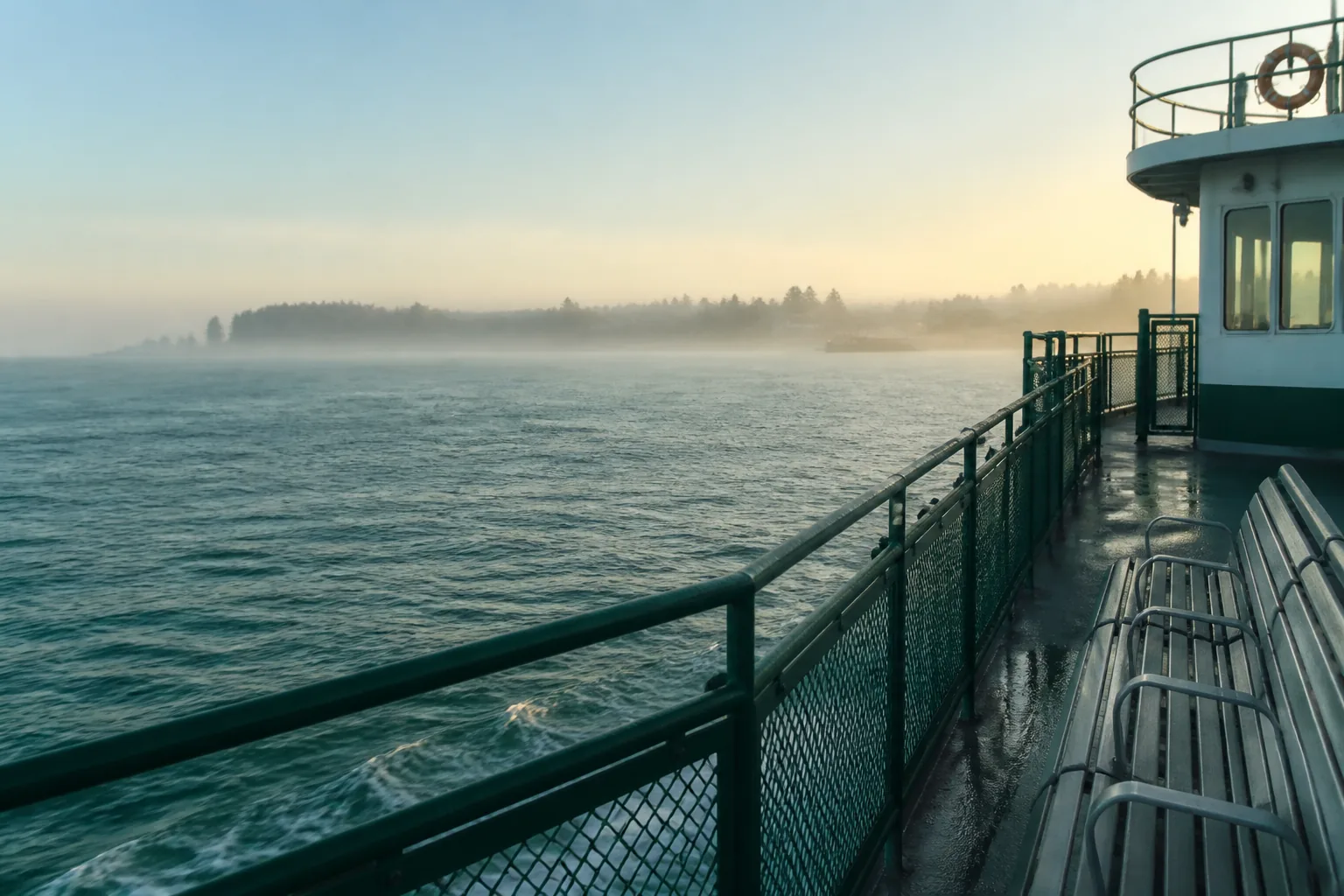
Water instead of the long detour
We compare ferry and river options against bus or car loops, then show where the water leg improves the day without adding fragile transfers.
Water travel is not a short sightseeing loop at all. It is a full transport choice where the crossing itself deserves careful planning.
We treat ferry, river, and lake segments as practical links in a wider trip: how schedules shift through the year, how wind changes departure decisions, where to sit for a long passage, and how to leave the pier without missing the last bus.
Routes & timing
A crossing earns its place when the water segment cuts a detour, softens a rough road day, or opens a shoreline approach you cannot get from a highway arrival.
We compare ferry and river options against bus or car loops, then show where the water leg improves the day without adding fragile transfers.
Timetables shift with season, maintenance, and demand. We explain where to verify the live version and how to spot last-year PDFs that still circulate online.
Distance feels different from the water. We help you treat the passage as usable travel time for rest, observation, and arrival planning instead of empty waiting.
Each brief covers boarding windows, likely pier walk times, and the land connection that follows — so the water segment fits the rest of your itinerary.
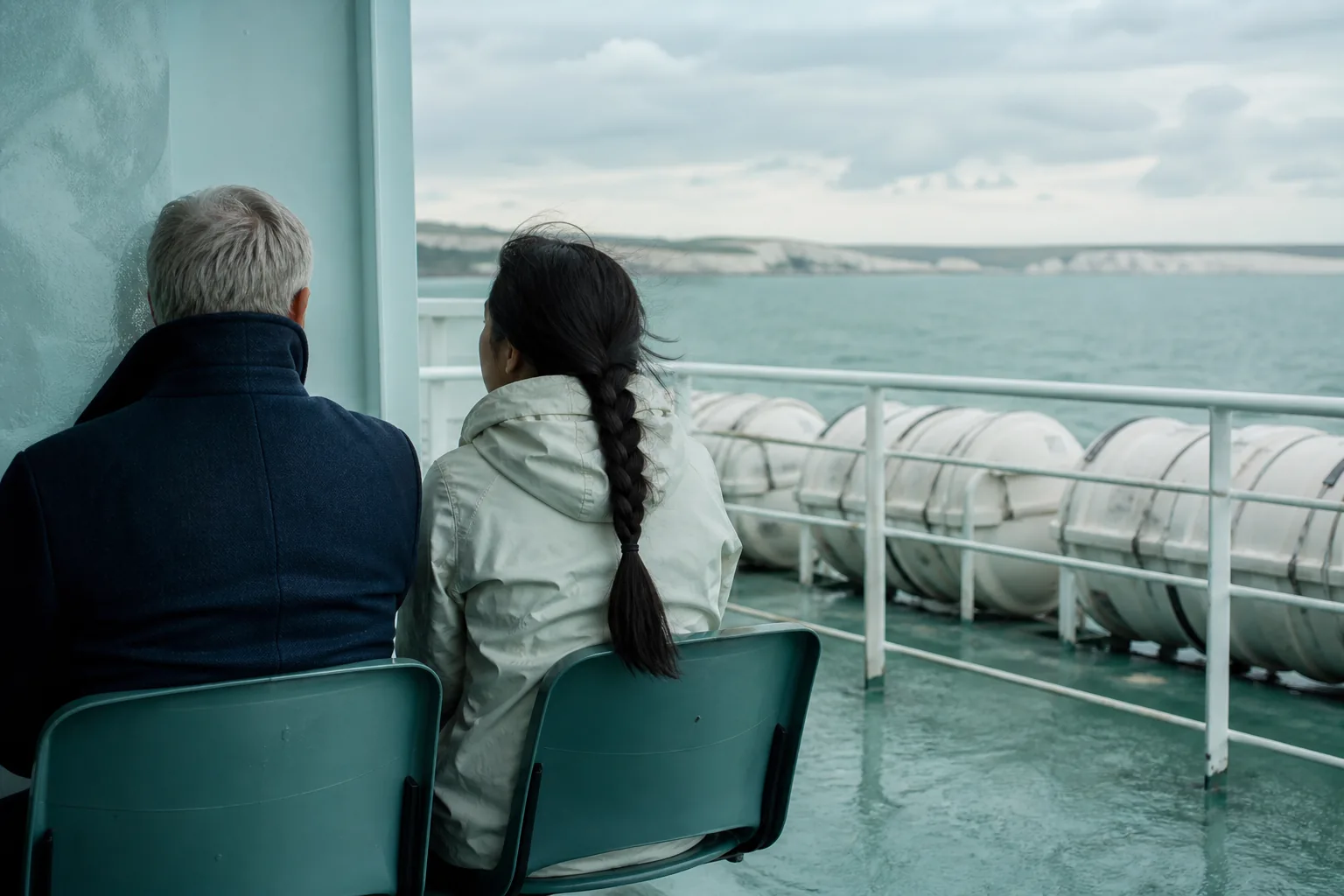
Onboard reality
Wind can cancel a sailing with little warning. Cabins fill early. Open decks can feel colder than the forecast suggests. Practical choices matter more than atmosphere photos.
Field notes
The counts reflect patterns from routes we revisit with clients: boarding buffers, baggage habits, and transfer gaps that keep a day from unraveling at the terminal.
Minutes we usually keep between docking and the next land departure
Of first-time passengers arrive later than the vehicle check-in window
Carry items we recommend keeping outside the main suitcase
Common pier-to-town walking minutes clients underestimate
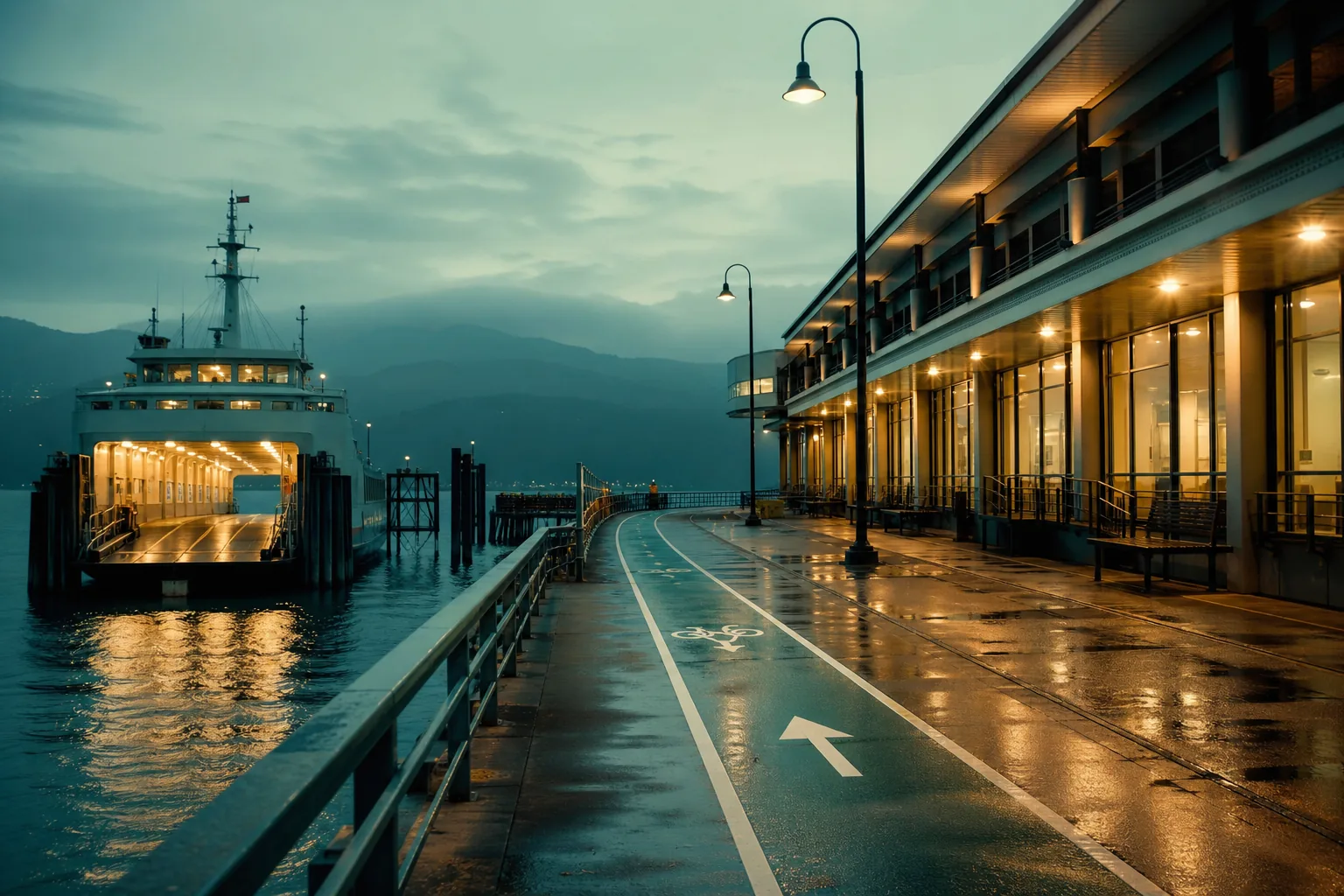
Shore links & first sailing
The sailing is only half the plan you need. Piers often sit outside the center, vehicle lanes move on their own clock, and onboard storage is not a locker you can trust.
Team
Consultants ride ferry and river routes on working trips, then turn those observations into clear recommendations for boarding, seating, and shore connections.

Builds timetable comparisons and buffer plans for multi-leg days that include at least one water crossing.
Certified Travel Planning Specialist (CTPS) · Coastal Itinerary Workshop
Works on deck versus salon choices, overnight seating, and what to pack in a day bag for long passages.
Passenger Experience Certificate · Overnight Crossing Field Lab
Maps pier access, vehicle lanes, and the first land connection after docking so arrivals do not stall in the terminal.
Transport Logistics Credential · Harbor Access Study GroupClient notes
Notes from people who rebuilt a trip around a ferry or river segment and wanted fewer surprises at the pier.
Say which crossing you are considering. We will help you weigh timetable risk, boarding logistics, and the land connection that follows.
Contact Usmyzxintptz publishes notes on ferry, river, and lake travel as practical transport. We turn observed boarding patterns, weather holds, and pier transfers into clear consultation notes — not romanticized deck scenes.
This site publishes material for informational and educational purposes related to ferry, river, and lake travel planning. myzxintptz offers consultations and guidance about water segments within a wider itinerary.
Schedules, pier access, boarding rules, and onboard conditions may change between sailings. Operating hours, terminal layouts, and local transfer options may differ from earlier visits, so verify details directly with operators and local providers before you travel.
We recommend speaking with qualified travel or transport specialists when your route involves complex transfers, overnight passages, or vehicle boarding. Any decisions you make based on site content remain your responsibility.